March 17, 2026
In today's world, safety is paramount. Installing a storm shelter is an investment that not only secures your family's protection during extreme weather events but also enhances the value of your property. According to FEMA, a safe room can increase your home’s selling price by approximately 3.5%. This article explores the myriad benefits and considerations associated with integrating a storm shelter into your home. As unpredictable weather patterns become increasingly common, having a secure place to retreat can make all the difference.
1. What Are the Benefits of Installing a Storm Shelter?
Understanding the Safety Advantages
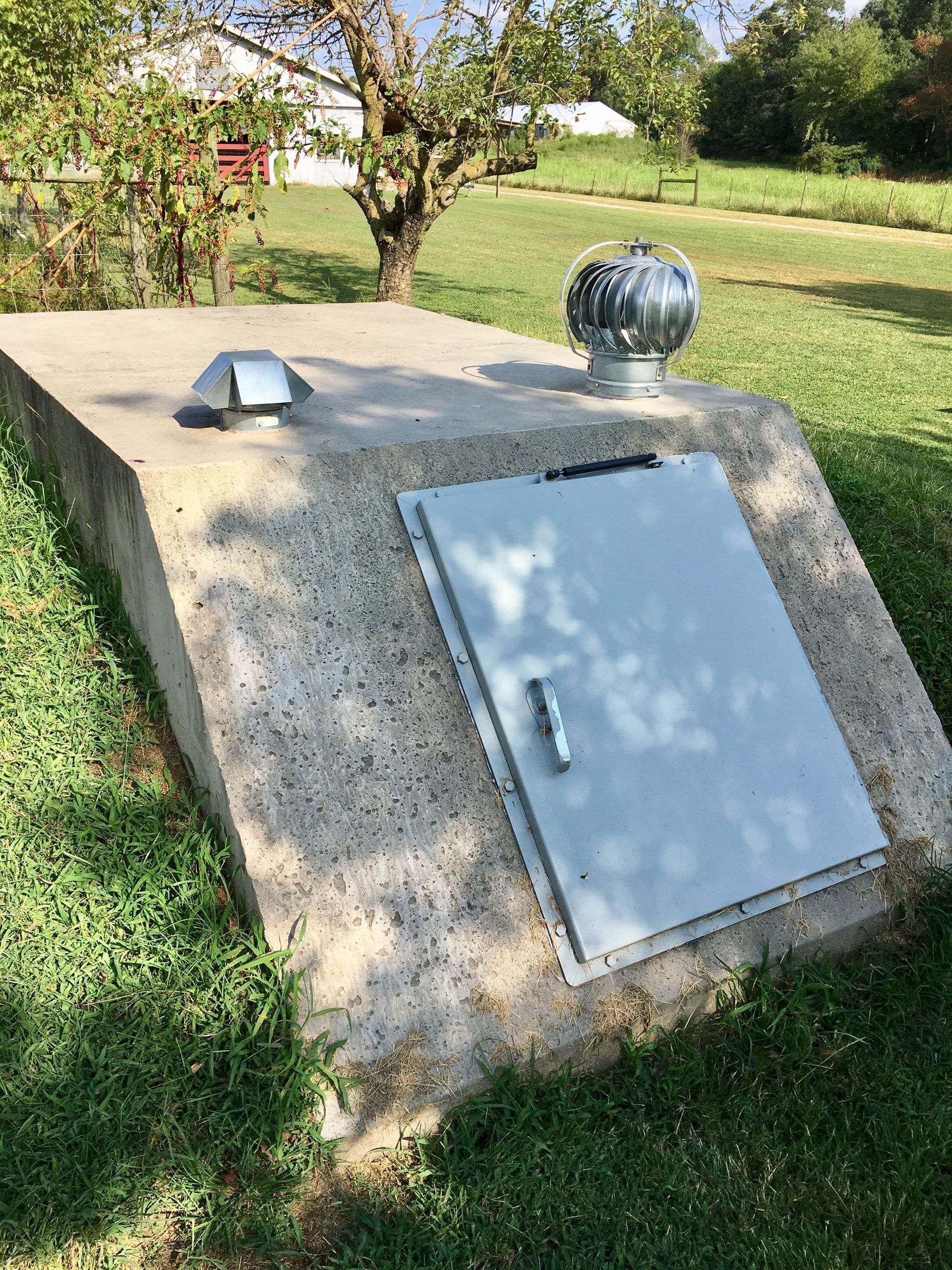
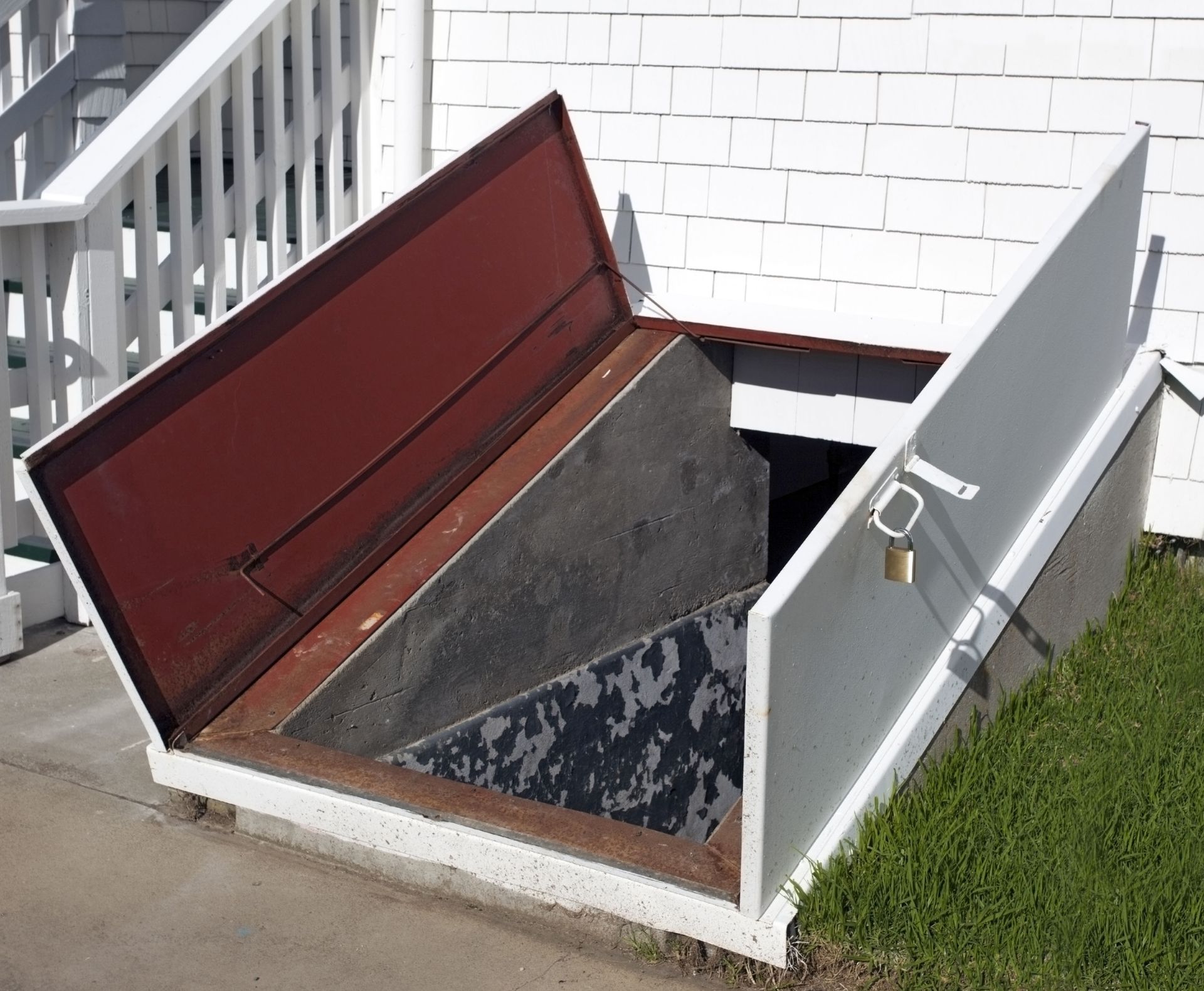
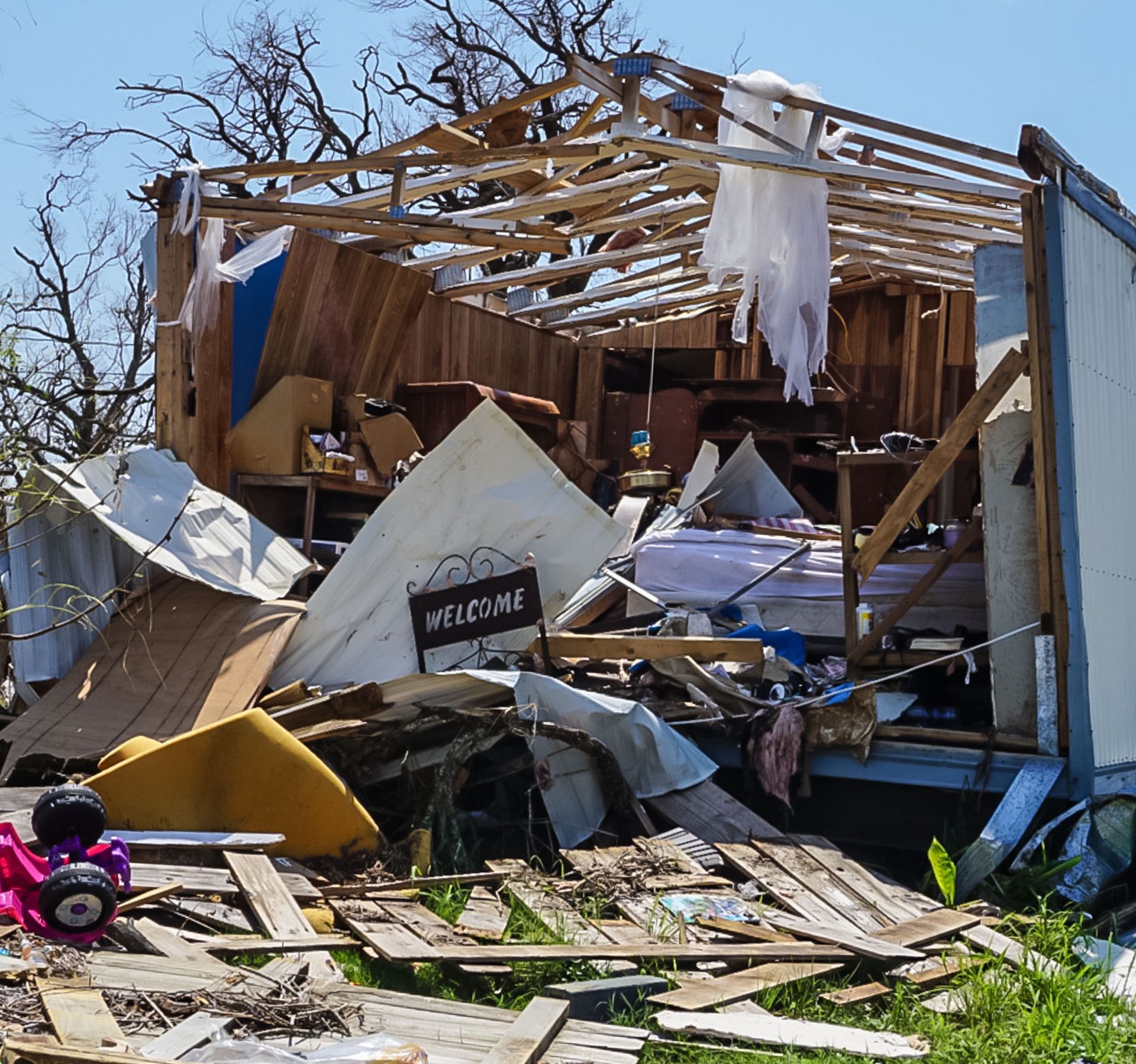
Storm shelters provide unparalleled safety during extreme weather conditions, such as tornadoes and hurricanes. The robust construction of these shelters, often reinforced with steel and concrete, ensures they can withstand high winds and flying debris. For families living in tornado-prone areas, a storm shelter is not merely an option; it is a necessity. Having a secure space can dramatically reduce the risk of injury or death during such events.
Furthermore, a storm shelter acts as a safe room where families can store emergency supplies and kits. This means that in times of crisis, you are not only protected physically, but also prepared for potential isolation until conditions improve. With climate change leading to more frequent and intense weather phenomena, having comprehensive safety measures has never been more crucial. In fact, investments in home safety, such as storm shelters, are increasingly expected by conscientious homeowners.
Additionally, storm shelters offer peace of mind to the property owners. Knowing that there is a fortified space available can significantly reduce anxiety about impending storms. This assurance is invaluable, especially to families with children, as it allows for more consistent and effective emergency planning. When you have a storm shelter, you know that you're doing everything possible to protect your loved ones from nature's fury.
Enhancing Family Preparedness
Being prepared for severe weather conditions is crucial for every household. A storm shelter plays a central role in any comprehensive family emergency preparedness plan. It provides a designated area for your family to gather during a storm, ensuring everyone is accounted for and safe. This level of organization and readiness is invaluable during the chaos that often accompanies natural disasters.
Training your family to respond calmly and swiftly when a storm warning is issued becomes much easier with a storm shelter. Regular drills and discussions about using the shelter can enhance your family's readiness to handle emergencies. Families can also personalize their storm shelters with essentials like first-aid kits, non-perishable food, and water supplies. With this preparation, your household is better positioned to endure longer durations of confinement if necessary.
Moreover, having a storm shelter encourages proactive rather than reactive safety measures. It empowers families to take charge of their own safety instead of relying entirely on first responders who may be overwhelmed during widespread emergencies. This empowerment is a vital component of family preparedness, enabling quicker and more effective responses to any storm. Overall, storm shelters are a cornerstone in nurturing a culture of preparedness within your household.
2. How Does a Storm Shelter Improve Home Safety?
Protection Against Severe Storms
Storm shelters are built to protect against some of nature's most daunting challenges. With walls fortified to endure winds exceeding 250 mph, they provide a haven during tornadoes and hurricanes. The construction of these shelters also includes design features that prevent them from being uprooted or displaced by floodwaters. Having such a robust option for sheltering enhances an entire family’s ability to survive and recover from severe weather events.
Because of their durable nature, storm shelters significantly lower the risks associated with structural damage during a storm. By offering a space that stands independent from the rest of a house, they ensure protection even if other areas collapse. Integrating a storm shelter into home planning emphasizes redundancy; multiple protective layers enhance the overall safety profile of a property. This strategy remains a fundamental approach in ensuring maximum safety in unpredictable conditions.
The effectiveness of storm shelters against even the most severe weather reflects their significant advancement from general safe spots within homes. While previous generations might have viewed basements as the most secure option, the evolution of dedicated shelters has opened up greater safety possibilities. As a result, homeowners are better equipped to safeguard those within their care, ensuring protection roles extend to visitors or neighbors when necessary.
Compliance with Local Safety Standards
When installing a storm shelter, compliance with local safety standards is an important consideration that adds to its legitimacy as a protective feature. Numerous regions enforce specific codes and regulations ensuring that shelters are sufficiently strong to withstand severe conditions. Meeting these standards not only guarantees personal safety but also assures potential buyers of the shelter's reliability. When your shelter adheres to required specifications, it highlights a commitment to conscientious building and residence safety.
These local standards often align with guidelines set by national agencies like FEMA, adding a further layer of trust to their specifications. By meeting these criteria, storm shelters become recognized structures worthy of inclusion in broader emergency management plans. This compliance is also a critical component for achieving potential insurance benefits, as policies may require shelters to meet or exceed certain benchmarks. It confirms the legitimacy of the facility when negotiating premiums or post-disaster claims.
Integrating a storm shelter according to these standards may also afford homeowners certain incentives or tax reliefs. Depending on regional programs, investments in qualifying safety features sometimes open up financial support avenues. Awareness and adherence to these standards rise as a dual benefit; they enhance immediate storm safety while broadening financial and insurability prospects. Property owners are thus encouraged to explore all applicable regulations to maximize both safety and potential economic advantages.
3. What Factors Should You Consider When Choosing a Storm Shelter?
Size and Capacity Requirements
An essential step in selecting a storm shelter is determining the appropriate size and capacity for your household's needs. Ideally, every family member should have sufficient space to move comfortably within the shelter. For larger families, investing in a spacious shelter alleviates concerns about overcrowding during extended use. It ensures that everyone can fit, reducing stress during a rushed entry situation.
While it's crucial to account for immediate family members, the shelter should also accommodate occasional guests or visiting family members. Having extra space can be especially important during gatherings or holidays when more people are present. Moreover, ample room allows for storage of necessary emergency supplies, such as food, water, and medical kits. A well-planned space ensures readiness and supplies accessibility when storm conditions demand extended shelter stays.
It’s worth noting that larger shelters may require more extensive land area, influencing placement and installation decisions. Homeowners must consider their property size, layout, and other site constraints. As such, prospective purchasers should weigh personal requirements against available space to ensure everything aligns with installation feasibility. This balancing act maximizes both functional utility and spatial economy.
Material and Construction Quality
The material and construction quality of a storm shelter are critical to its performance during an emergency. Reinforced concrete and steel are standard materials known for their strength and durability. Selecting high-quality materials ensures that the shelter can withstand extreme pressure and resist damage. This assurance enables the shelter to serve its primary purpose effectively: protecting against nature's brutish impacts.
Superior construction involves not just durable materials but expertly designed exteriors and interiors. Builders should prioritize tight seams, sturdy hinges, and robust locking mechanisms to prevent water ingress and maintain structural integrity. Such meticulous attention to construction details helps extend the shelter’s lifespan and efficacy. This is particularly important for families living in areas with recurring severe weather events.
Installing a storm shelter is a pivotal step in safeguarding your family's well-being and can simultaneously boost the economic value of your home. By understanding the key aspects of storm shelter installation and its benefits, homeowners can make informed decisions that ensure safety and increase asset value. Storm shelters not only offer immediate protection but also provide long-term psychological and financial peace of mind. As climate challenges continue, their role in effective readiness and home fortification will only become more pronounced. Reach out to Steel Strong Shelters today to see how we can help you!