January 19, 2026
As climate change continues to impact weather patterns globally, the frequency of extreme weather events has risen, making storm shelters an essential investment for safety. Storm shelters provide a secure refuge during severe weather conditions, ensuring the protection of both individuals and property. Hiring reliable storm shelter services is a critical step in safeguarding lives, offering peace of mind before, during, and after storm events.
1. Understanding the Importance of Storm Shelters
1.1. Protection Against Extreme Weather Conditions
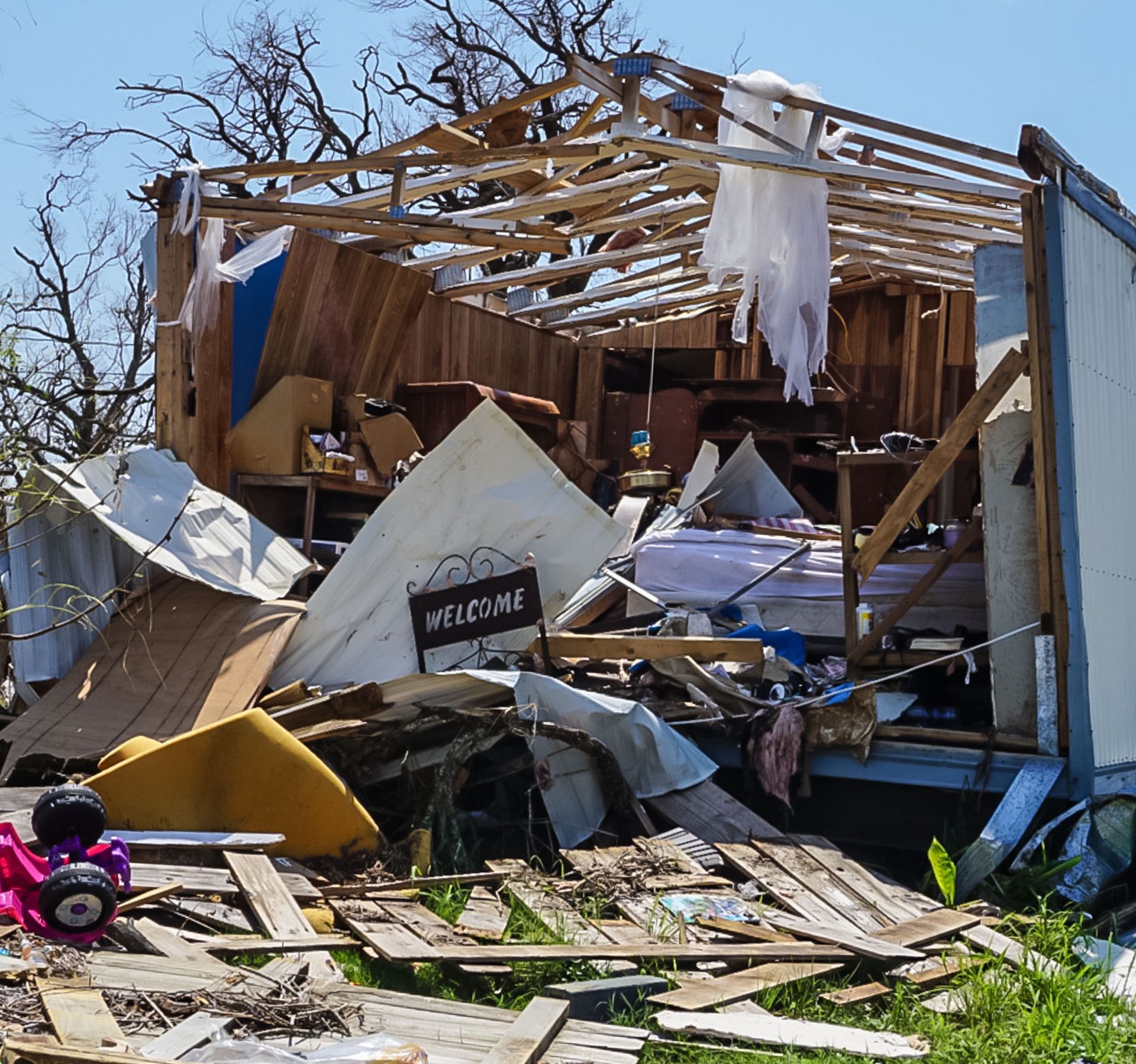
Storm shelters are designed to withstand extreme weather conditions, including high winds, flying debris, and flooding. Their robust construction provides a safe space for families and communities during hurricanes, tornadoes, and other severe weather disturbances. Given that an average hurricane season can involve up to 14 named storms, hurricanes, and severe hurricanes, the need for sturdy shelters is paramount. They act as a buffer zone between the inhabitants and the storm, reducing the likelihood of injuries and fatalities. In essence, storm shelters function as a critical component of emergency preparedness, crucial to minimizing harm and loss.
1.2. Historical Instances Demonstrating Their Importance
Historical weather events underscore the importance of storm shelters in saving lives. For instance, during tornado outbreaks in Tornado Alley in the United States, many lives were preserved thanks to well-constructed storm shelters. The devastating impacts of Hurricane Katrina further highlighted the need for reliable and accessible shelters. In these instances, shelters provided refuge and security in the midst of chaos, demonstrating their essential role in emergency management. By examining these historical precedents, the protective value of storm shelters becomes undeniable.
1.3. Mitigating Risks with Proper Infrastructure
Proper infrastructure in the form of storm shelters is essential to risk mitigation. These shelters are engineered to adhere to rigorous safety standards, minimizing the risk posed by natural disasters. Investing in storm shelters ensures that both individuals and communities have access to life-saving facilities during emergencies. Additionally, robust infrastructure lessens the strain on emergency response systems by providing immediate protection on-site. Ultimately, proper planning and infrastructure through storm shelters are pivotal in reducing the overall impact of weather-related risks.
1.4. Evaluating Community and Personal Safety
Storm shelters are critical in evaluating and enhancing the safety of both individuals and communities. These installations provide protective space specifically designed for survival amid extreme weather scenarios. Communities with readily available shelters report increased safety outcomes and reduced casualty numbers during adverse weather events. The community-wide implementation of storm shelters acts as a safeguard for collective well-being. In this context, the evaluation of safety needs at both personal and community levels underscores the importance of timely shelter investments.
1.5. Psychological Comfort During Storm Events
Beyond physical safety, storm shelters afford psychological comfort during stressful weather events. Knowing that a secure place exists where families can seek refuge helps alleviate the anxiety associated with imminent storms. This psychological safety net is incredibly valuable during high-stress situations, allowing individuals to focus on necessary safety protocols rather than on fear. Additionally, the assurance provided by reliable storm shelters can improve community morale. Thus, investing in storm shelters benefits both the mental well-being and physical security of the residents.
2. Evaluating When to Hire Storm Shelter Services
2.1. Seasonal Weather Patterns and Anomalies
Evaluating seasonal weather patterns helps in determining the timely hiring of storm shelter services. Weather anomalies, such as unusual frequency or intensity of storms, necessitate prompt action to safeguard residents. Understanding the cyclical nature of severe weather helps in forecasting the demand for protective shelters. Regular assessment of seasonal predictions can inform timely decisions to hire storm shelter experts, enhancing preparedness and safety. The interplay of typical and atypical weather events drives the need for proactive investment in storm shelter services.
2.2. Regional Storm Frequency and Intensity
The regional storm frequency and intensity are key factors when considering storm shelter services. Areas prone to frequent hurricanes and tornadoes, like the Gulf Coast and Tornado Alley, require particularly robust preparedness plans. According to Forbes, these regions might experience as many as 14 named storms during a typical hurricane season, underscoring the need for preemptive storm shelter hiring. A routine analysis of these factors can determine the urgency and type of shelter services necessary. As such, localized data provide critical insights into the timing and selection of protective measures.
2.3. Assessment of Current Shelter Conditions
Assessing current shelter conditions plays a pivotal role in determining the timing of hiring additional services. Maintaining up-to-date inventories and evaluations ensures that existing facilities are functional and capable of offering maximum protection. Frequent assessments reveal deficiencies or wear-and-tear, necessitating timely upgrades or replacements. This evaluation process serves to uphold the integrity of storm preparedness infrastructure, ensuring continued protection. By routinely assessing shelter conditions, communities can enhance their readiness against impending weather threats effectively.
2.4. Proactive Versus Reactive Safety Measures
Proactive safety measures, including the timely hiring of storm shelter services, are preferable to reactive responses. Effective preparedness minimizes vulnerability to unexpected weather events, reducing emergency costs and enhancing safety outcomes. Investing in safety measures before the onset of storm seasons ensures that individuals and infrastructure withstand potential hazards. In contrast, reactive measures often incur higher costs and increased risk as events unfold. Ultimately, a proactive approach is paramount, ensuring that storm shelter services are in place well in advance of emergencies.
2.5. Insurance and Financial Considerations
Financial considerations, including insurance policies, significantly impact the decision to hire storm shelter services. Many insurance policies offer reduced premiums for properties equipped with certified storm shelters. This financial incentive encourages proactive investment in protective infrastructure, providing both immediate and long-term benefits. Additionally, the initial costs of installing storm shelters can be offset by potential reductions in storm-related damage. Evaluating the financial implications is thus critical in decision-making processes regarding the timing of storm shelter service engagements.
3. Key Features to Look for in a Storm Shelter Service
3.1. Certification and Compliance with Safety Standards
When selecting a storm shelter service, certification and compliance with safety standards are paramount. Reputable services adhere to stringent guidelines established by governmental and safety organizations, ensuring maximum protection. Certified shelters are built to withstand the forces associated with extreme weather, providing reliable shelter for occupants. Compliance not only assures quality and safety but also may positively affect insurance considerations. Therefore, opting for certified services guarantees adherence to the highest safety benchmarks, offering peace of mind and security.
3.2. Range of Shelter Options Available
The availability of a wide range of shelter options is another essential feature of a storm shelter service. This diversity allows clients to select shelters that best suit their geographical location, family size, and specific needs. Options may range from above-ground to below-ground installations, and from single-family to community-wide shelters. Accessibility to various options demonstrates the service’s flexibility in addressing distinct requirements. Consequently, evaluating the range of options guarantees a tailored approach to safety and protection.
3.3. Installation Expertise and Safety Protocols
Installation expertise and adherence to stringent safety protocols are critical when choosing a storm shelter service. Expert installation ensures that shelters are not only functional but optimally located and accessible in case of emergencies. Proper training and expertise in installation practices enhance the overall safety and reliability of the shelter. Safety protocols further mitigate risks during installation, protecting the construction team and future occupants. Selecting services with a proven track record in installation excellence essentially safeguards investment and lives.
Overall, the foresight to invest in storm shelters and associated services is vital in confronting unpredictable and severe weather conditions. Shelters bolster security and safety for individuals, families, and communities, proving essential amid modern climatic challenges. Therefore, without delay, attaining reliable and skilled storm shelter services ensures well-being remains paramount, averting potential disasters and prioritizing peace of mind amidst uncertainty. Be sure to reach out to Steel Strong Shelters today for more information on our professional storm shelter services!