March 17, 2026
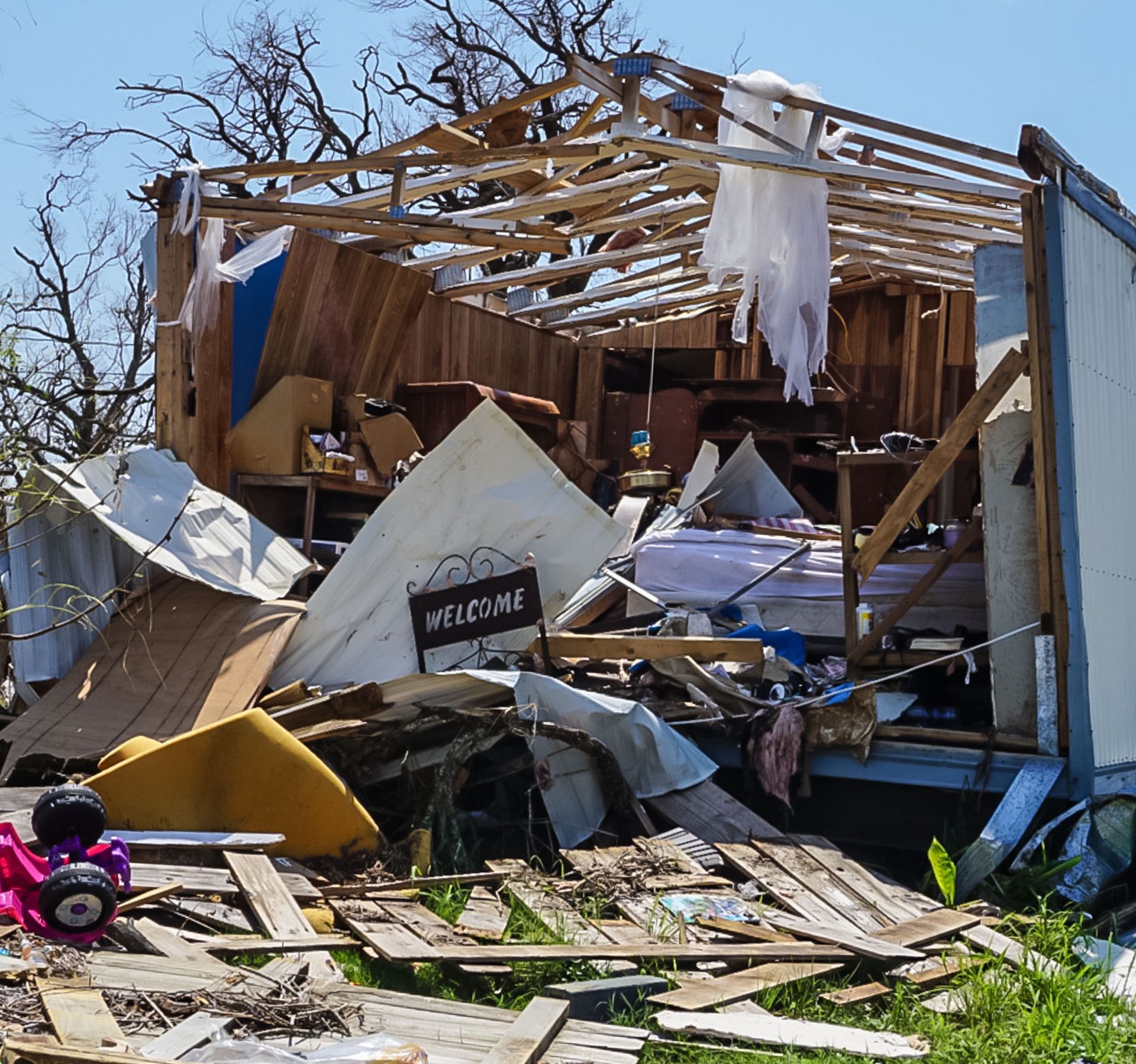
Severe weather can strike with little warning, leaving families and businesses only minutes to react. Tornadoes, violent thunderstorms, and hurricanes can produce powerful winds and dangerous debris that threaten lives and property. Preparing for these events requires more than simply monitoring forecasts—it requires having a reliable safe place when conditions become dangerous.
This is where a professional storm shelter service becomes essential. These services design, install, and maintain protective shelters that help people stay safe during extreme weather events. Understanding how these services work, what types of shelters are available, and how to choose the right provider can help homeowners and property managers make informed decisions about long-term storm preparedness.
Understand the Purpose of a Storm Shelter Service
A professional storm shelter service focuses on creating safe spaces specifically engineered to protect occupants during severe storms. These shelters are built to withstand extreme winds, pressure changes, and flying debris—hazards that commonly occur during tornadoes and powerful thunderstorms. Unlike standard home construction, storm shelters follow strict engineering standards to maximize structural integrity and life safety. The primary goal of a storm shelter service is to ensure individuals have immediate access to protection when severe weather develops. Shelters are typically installed in easily accessible locations within homes, garages, or commercial buildings so people can reach them quickly. This accessibility can make a critical difference during fast-moving weather emergencies.
Storm shelters also play a role in broader disaster preparedness. According to the National Storm Damage Center, falling trees and branches cause an estimated $1 billion in property damage each year, highlighting how destructive severe weather can be. While shelters cannot prevent damage entirely, they provide a reliable safe zone that protects lives when storms strike. For families living in regions prone to tornadoes or strong storms, investing in a reliable storm shelter service offers peace of mind. Knowing there is a structurally reinforced refuge nearby allows residents to respond quickly and confidently when warnings are issued.
Explore the Types of Storm Shelters Available
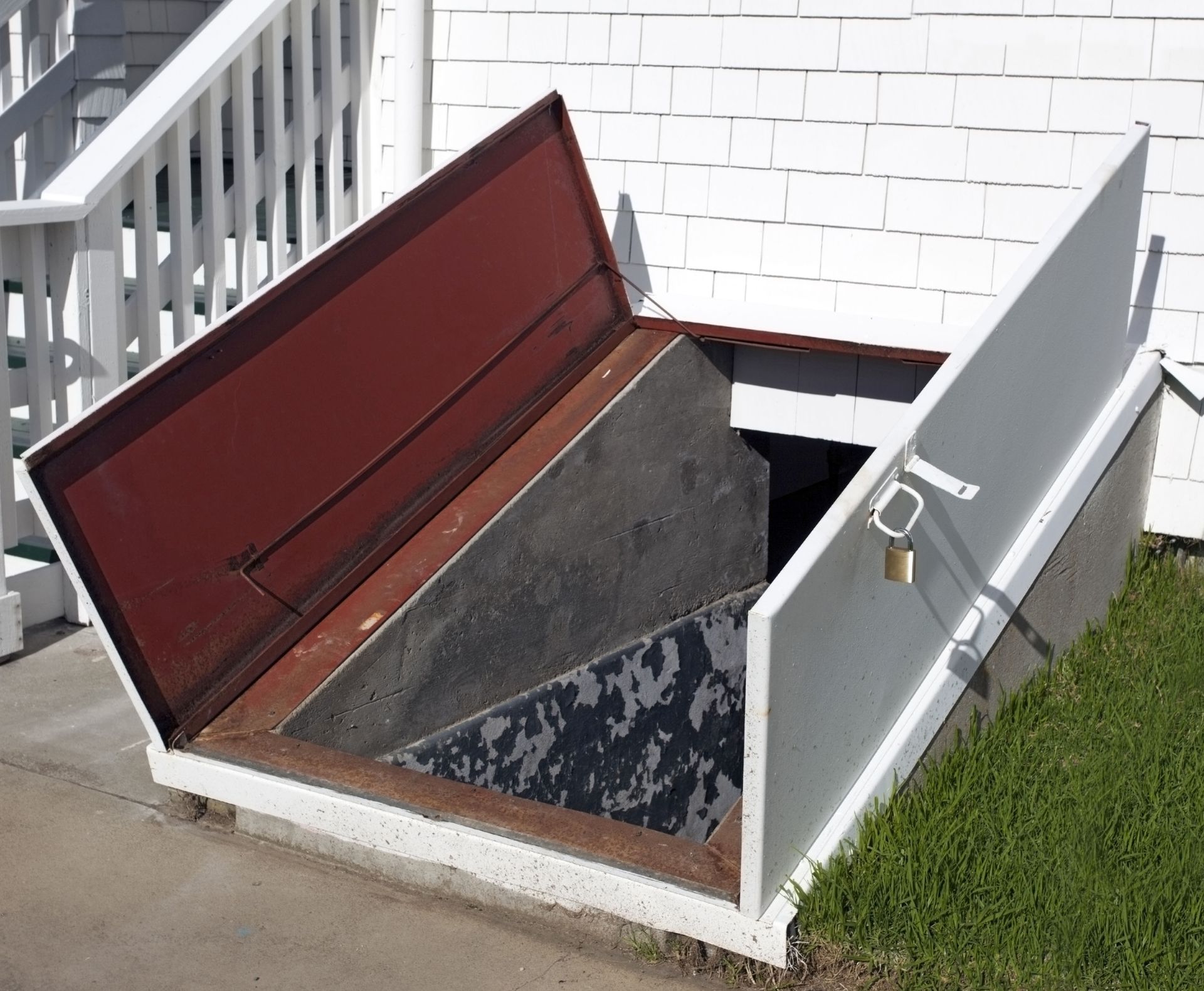
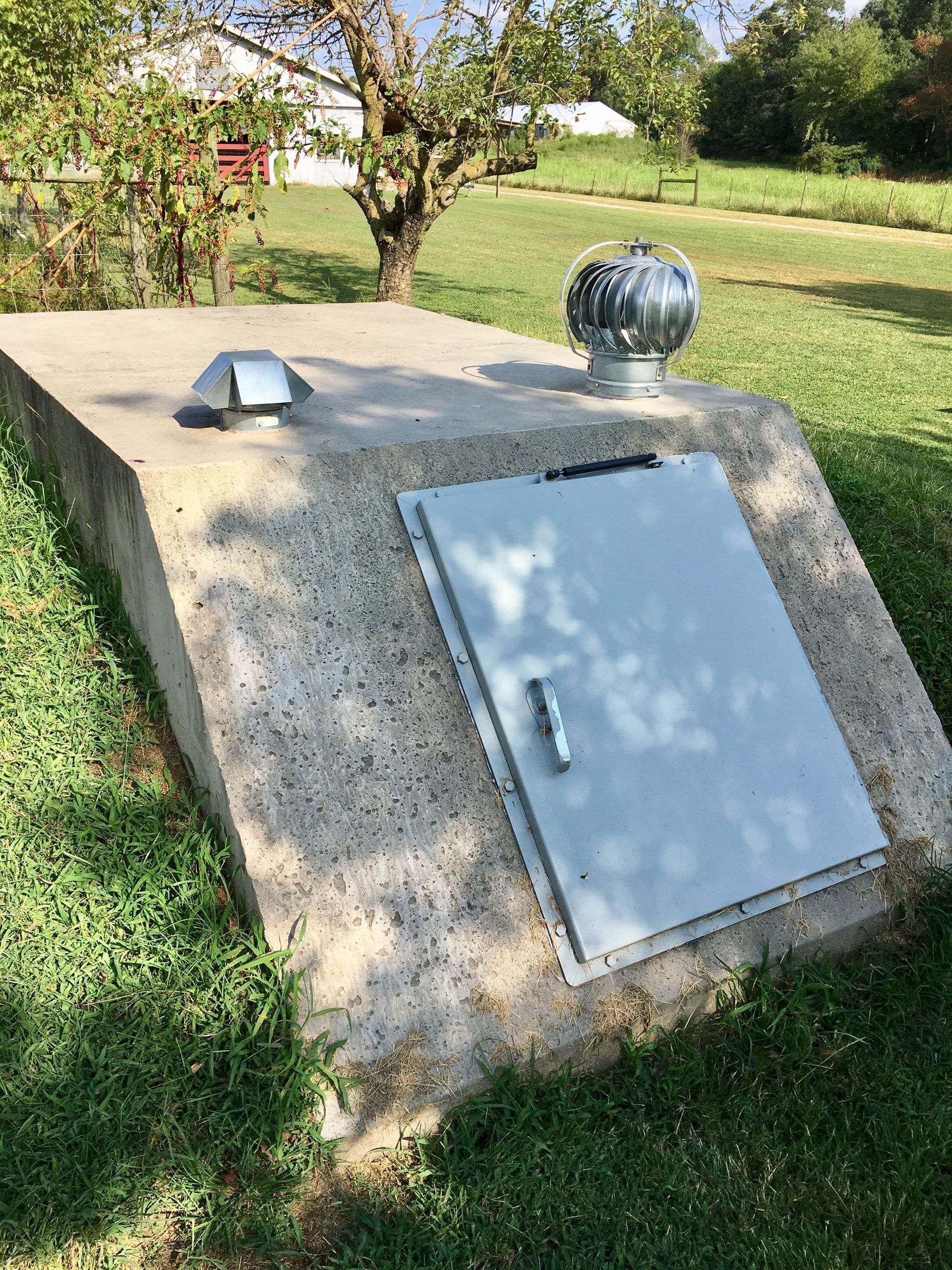
One of the first steps when working with a storm shelter service is understanding the different shelter options available. Each design offers unique advantages depending on the property layout, budget, and level of risk in a given region. Underground shelters remain one of the most popular choices. Installed below ground level, these shelters use surrounding soil as an additional protective barrier against wind and debris. Many homeowners prefer underground units because they provide excellent protection and remain hidden from view when not in use.
Above-ground safe rooms are another widely used option. Built with reinforced steel and concrete, these rooms are designed to meet strict impact and wind-resistance standards. A storm shelter service may recommend above-ground shelters for households with elderly residents or individuals with mobility limitations who may have difficulty accessing underground structures. Community shelters are another important category. Schools, apartment complexes, and commercial facilities sometimes install larger shelters capable of protecting many occupants. A qualified storm shelter service can help determine which shelter type best aligns with safety needs, building conditions, and local regulations.
Evaluate the Key Benefits of Professional Installation
Working with an experienced storm shelter service provides several important advantages beyond simply purchasing a shelter. Professional providers handle every stage of the process, from site evaluation and design to installation and long-term maintenance. One of the most valuable benefits is expert engineering. Professionals ensure shelters meet established safety guidelines and are properly anchored to withstand extreme wind forces. Proper installation is critical because even well-designed shelters may fail if they are not installed correctly.
Customization is another major advantage. A reliable storm shelter service can tailor shelter size, placement, and features to meet the needs of each household. Families may require additional space for emergency supplies, seating, or accommodations for children and pets. Ultimately, partnering with a qualified storm shelter service ensures that the shelter performs exactly as intended when severe weather strikes. This level of reliability is difficult to achieve through DIY solutions or unverified contractors.
Address Common Misconceptions About Storm Shelters
Despite their proven benefits, several misconceptions still prevent some homeowners from investing in shelters. Understanding the facts can help people make better safety decisions. One common myth is that only residents of traditional tornado regions need storm shelters. While areas like Tornado Alley experience frequent tornado activity, severe storms occur throughout much of the United States. A professional storm shelter service often works with clients in many regions where high winds, hurricanes, or intense thunderstorms pose significant risks.
Another misconception is that shelters are prohibitively expensive. In reality, storm shelters come in a range of designs and price points. Many companies provide financing options or help customers identify grant programs that offset installation costs. Modern shelters are also far more comfortable than many people assume. A well-designed shelter installed by a reputable storm shelter service can include lighting, ventilation, seating, and storage for emergency supplies. These improvements make the shelter more practical and usable during extended weather events.
Follow Safety Standards and Building Regulations
Safety standards play a critical role in the design and installation of storm shelters. A professional storm shelter service ensures every installation meets or exceeds recognized national guidelines. Federal Emergency Management Agency (FEMA) standards outline key design principles for residential and community shelters. These guidelines address structural strength, debris impact resistance, ventilation requirements, and occupant capacity. Compliance with FEMA recommendations helps ensure shelters perform as expected during extreme weather.
Another important standard comes from the International Code Council’s ICC-500 guidelines. These codes establish testing requirements for materials and structural components used in storm shelters. Qualified contractors follow these guidelines to guarantee that shelters meet rigorous performance benchmarks. Choosing a provider that prioritizes these standards is one of the most important steps when selecting a storm shelter service. Proper compliance helps ensure that shelters are not only durable but also fully capable of protecting occupants during severe storms.
Plan Shelter Size, Location, and Budget Carefully
Successful shelter installation requires thoughtful planning. A reputable storm shelter service will evaluate several important factors before recommending a final design. Capacity is one of the first considerations. Shelters must comfortably accommodate all household members, including pets. Experts often recommend allowing extra space for emergency supplies and basic comfort during extended weather warnings.
Location is equally important. The shelter must be close enough to reach quickly during severe weather, yet positioned where it can provide maximum structural protection. In some cases, garages or interior rooms provide ideal locations for above-ground units, while outdoor areas may be suitable for underground installations. Budget planning also plays a role in decision-making. Shelter costs vary depending on size, materials, and customization options. A professional storm shelter service can provide detailed estimates that outline design, installation, and maintenance costs.
Severe storms can develop rapidly, making preparation one of the most important steps homeowners can take to protect their families. A professionally designed storm shelter provides a dependable refuge from dangerous winds and debris, giving occupants a secure place to wait out extreme weather events.
By understanding shelter types, evaluating safety standards, and working with qualified professionals, homeowners can make informed decisions about storm protection. If you are considering installing a shelter, working with a trusted storm shelter service provider like Steel Strong Shelters is one of the best ways to ensure your home and family remain protected when severe weather strikes.