April 8, 2026
Every year, severe weather threatens homes, families, and businesses across the United States. From powerful thunderstorms to violent tornadoes, these events remind us how unpredictable nature can be. As awareness around weather safety continues to grow, more homeowners are considering protective structures like storm shelters. Before starting the process, there are important things storm shelter contractors want you to understand.
Building a storm shelter is not just about creating a reinforced room. It involves proper engineering, code compliance, smart placement, and professional installation. The more informed you are, the better decisions you can make to protect your household. Taking time to research your options and consult experienced professionals can prevent costly mistakes and ensure the shelter performs as expected when it matters most.
Why Storm Shelters Matter More Than Ever
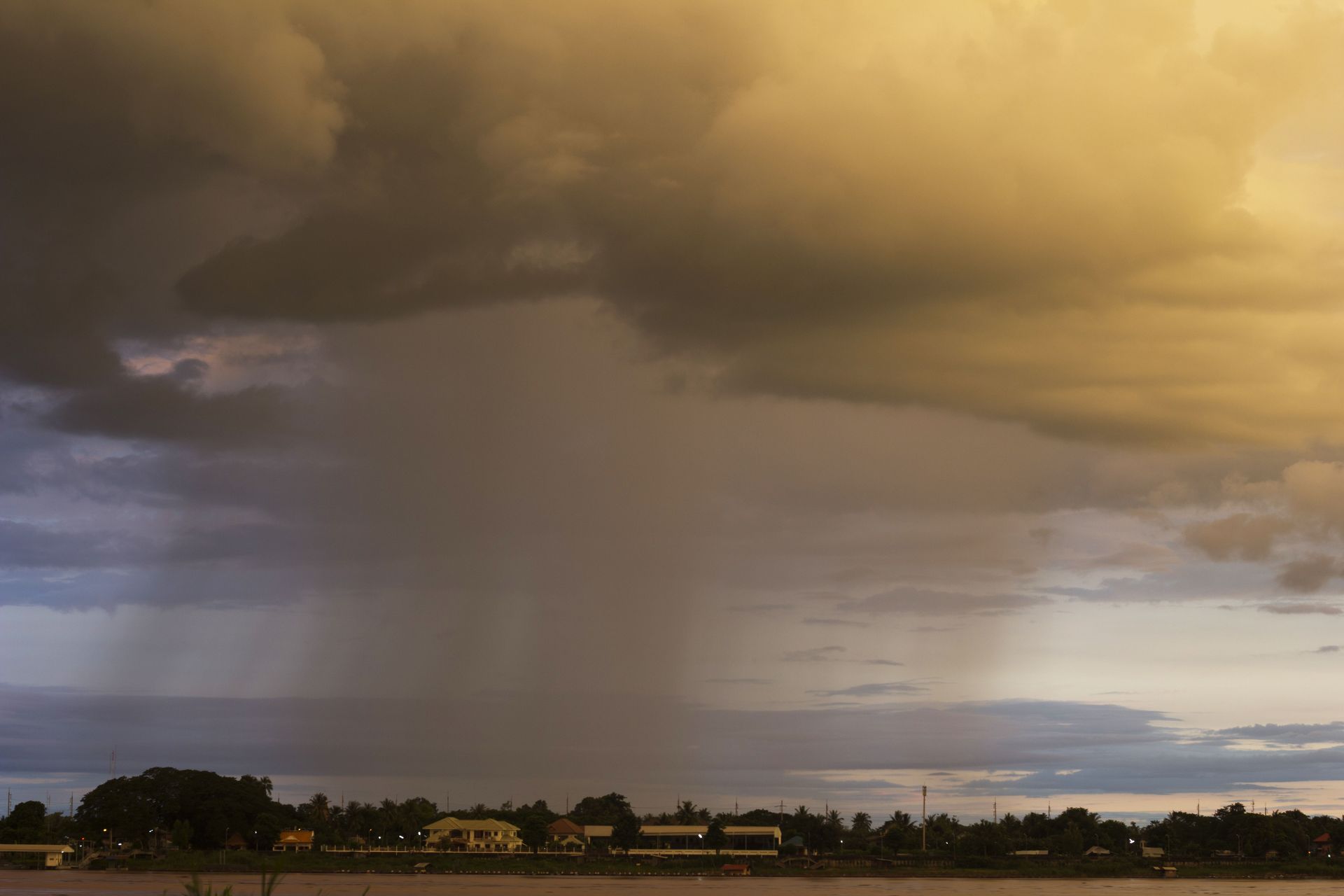
Severe weather is not limited to one region. Tornadoes can form quickly and generate winds powerful enough to destroy homes and turn debris into dangerous projectiles. According to Central Michigan University, tornadoes happen anywhere that the weather conditions create the right environment for them, but 75% of all tornadoes happen in the United States. This reality highlights why homeowners across the country are turning to storm shelter contractors for reliable protection.
Beyond tornadoes, hurricanes, severe thunderstorms, and other extreme weather events can also threaten lives. Storm shelters provide a designated safe space designed to withstand intense wind pressure and impact. Planning with experienced storm shelter contractors can make a significant difference when minutes matter most. In many cases, having immediate access to a secure shelter can dramatically reduce injuries and provide peace of mind during storm season.
Not All Storm Shelters Are Built the Same
One of the first things storm shelter contractors explain is that quality varies widely. A shelter that meets minimum standards may not offer the same level of protection as one engineered to exceed them. Materials, design, and installation all affect how a shelter performs under extreme conditions.
High-quality shelters typically use reinforced concrete or heavy-gauge steel. Proper anchoring to the foundation is critical, especially for above-ground models. Engineering calculations ensure the structure can withstand high winds and flying debris. Choosing experienced storm shelter contractors helps ensure your shelter is built to perform under real-world conditions. Attention to detail during construction often determines whether a shelter remains intact after a significant storm impact.
Placement and Location Play a Major Role
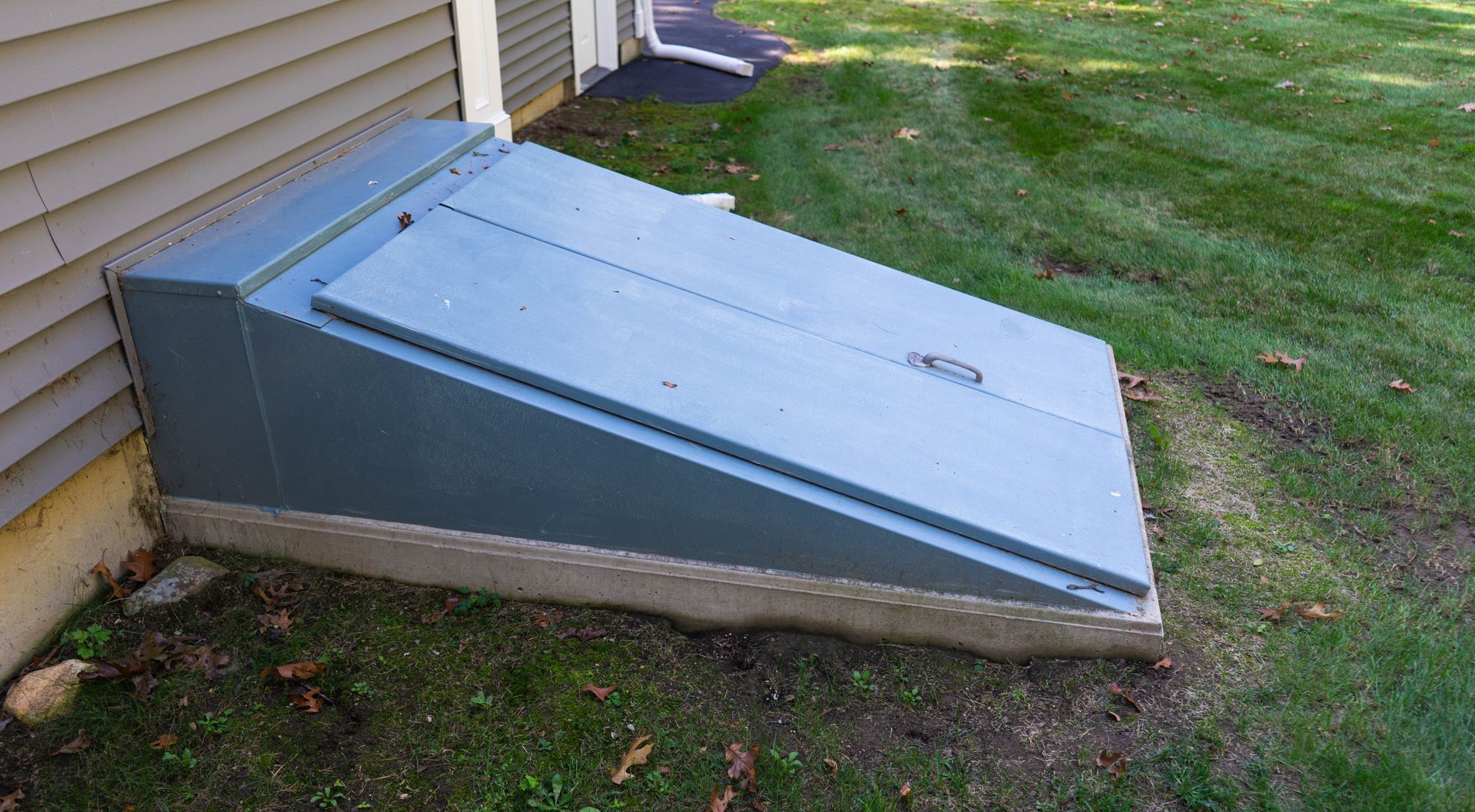
Where you place your shelter impacts accessibility and effectiveness. Some homeowners prefer below-ground shelters because the surrounding soil adds natural reinforcement. Others choose above-ground models for easier access, especially for elderly family members or those with mobility concerns.
Storm shelter contractors evaluate your property before recommending a location. They consider drainage patterns, soil type, proximity to the home, and how quickly your family can reach the shelter during an emergency. A well-placed shelter reduces risk and increases response time efficiency. Proper grading and drainage solutions are often included in the installation plan to prevent water intrusion over time.
Permits and Building Codes Are Essential
Local building codes exist for safety reasons. Many municipalities require permits and inspections before installing a storm shelter. Storm shelter contractors typically manage this process to ensure full compliance.
Skipping permits can lead to fines or even forced removal of the structure. More importantly, it can result in a shelter that does not meet safety standards. Professional contractors understand local requirements and design shelters accordingly. Compliance also helps protect property value and ensures the structure is recognized as a permanent improvement.
Accessibility Must Be a Priority
In an emergency, you may have only seconds to react. A shelter should be easy to reach and simple to enter. Storm shelter contractors often ask homeowners about the ages and physical abilities of everyone in the household. This helps determine entrance design, door style, and overall layout.
Clear pathways and unobstructed access points are critical. A shelter buried behind storage items or difficult to open under pressure may create unnecessary stress during a severe weather event. Thoughtful design improves both safety and usability.
Size and Capacity Should Not Be Overlooked
Underestimating space requirements is a common mistake. A shelter should comfortably fit everyone who may need to use it, including pets. Storm shelter contractors help calculate the appropriate size based on the number of occupants and expected duration of use.
Extra room allows for basic supplies and improves overall comfort. A cramped shelter can increase anxiety during an already stressful situation. Planning the right dimensions from the start ensures better long-term usability and a more positive experience if the shelter must be used for an extended period.
Emergency Supplies Are Part of the Plan
A storm shelter is more than reinforced walls. It should function as a temporary safe space if conditions require extended sheltering. Storm shelter contractors often recommend storing water, non-perishable food, flashlights, batteries, a first aid kit, and communication devices inside.
Having supplies ready reduces panic and allows you to remain sheltered until it is safe to exit. Preparation is just as important as structural strength. Keeping supplies updated and checking expiration dates ensures everything works when needed.
Professional Installation Makes a Difference
Some homeowners may consider do-it-yourself options to reduce costs. However, storm shelters require precise installation to perform properly. Storm shelter contractors have the training and equipment needed to anchor, seal, and reinforce structures correctly.
Improper installation can result in leaks, shifting, or structural failure. Working with experienced storm shelter contractors ensures your investment meets safety standards and manufacturer guidelines. Professional installation also typically includes warranties that provide additional peace of mind.
Understanding the Cost Factors
The cost of a storm shelter varies depending on size, materials, location, and additional features. Underground models may involve excavation expenses, while above-ground models may require reinforced foundations. Storm shelter contractors provide detailed estimates that account for labor, materials, permits, and finishing work.
While budget considerations are important, safety should remain the top priority. A properly built shelter is an investment in long-term protection. Many homeowners view the cost as comparable to other major home improvements that enhance both security and value.
Maintenance and Long-Term Care
Storm shelters require periodic inspection to ensure they remain functional. Doors, seals, ventilation systems, and drainage components should be checked regularly. Storm shelter contractors can provide maintenance guidance specific to your model and environment.
Keeping your shelter in good condition ensures it will perform when you need it most. Regular upkeep protects your investment and maintains safety standards. A small amount of preventative care can extend the lifespan of your shelter significantly.
Preparedness Extends Beyond Construction
Installing a shelter is one part of a broader emergency preparedness strategy. Storm shelter contractors often encourage families to establish emergency plans, monitor weather alerts, and practice entering the shelter quickly.
Discuss procedures with everyone in your household, so they understand where to go and what to do during severe weather. Preparation reduces confusion and increases confidence when facing dangerous conditions. Practicing drills can make real emergencies feel more manageable.
Storm shelter contractors want homeowners to recognize that storm shelters are about more than construction. They represent planning, preparation, and a commitment to safety. From material selection and site placement to permits and professional installation, every step matters.
Severe weather can strike with little warning, but preparation puts you in control. By working with qualified storm shelter contractors and understanding the key considerations involved, you can create a secure space designed to protect your family for years to come. Investing in professional guidance today can make a life-saving difference tomorrow. For more information, contact Steel Strong Shelters.